This is a trick I derived myself after watching bakers line the bottom of their round cake tins.
The classic trick is to fold the sheet of parchment paper in half, then into quarters, then into eighths, and finally into sixteenths, before trimming the final shape into a triangle of a height equal to the radius of the cake tin. Once unfolded, the final shape is a 16-sided polygon, which fits nicely inside a circle. Click this video by Martha Stewart to see this technique in action:
With this method, it is only possible to make 2^n-sided polygons where n is the number of folds made (since each time a fold is made, the number of sides doubles). This means you are limited to polygons with 4-sides, 8-sides, 16-sides, 32 sides, etc.
What about polygons with 5 sides, 6 sides, 7 sides, or even 47 sides? Initially, it seems like you need a potractor, ruler, or a template. However, using some basic geometry, it is possible to make any regular polygon from a sheet of paper using nothing but folds.
I will explain the method for making a pentagon first, before explaining how to make a polygon with any number of sides.
First, we need to understand that when we don’t have geometric instruments, we cannot make a fold without a reference. Without a protractor to tell us exactly where 108° is (the internal angle of a pentagon), we need a crease or edge to indicate where exactly to fold instead (i.e. we cannot just guess where a fold should be).
Instead of using a ruler, we can fold a square piece of paper several times in half to create creases that portion the sheet into a known number of squares. Like in the cake-tin method, each fold increases the number of creases by a factor of 2, however instead of making folds from adjacent edge to edge, the folds must be made from opposite edge to edge (like how you would fold a book closed).
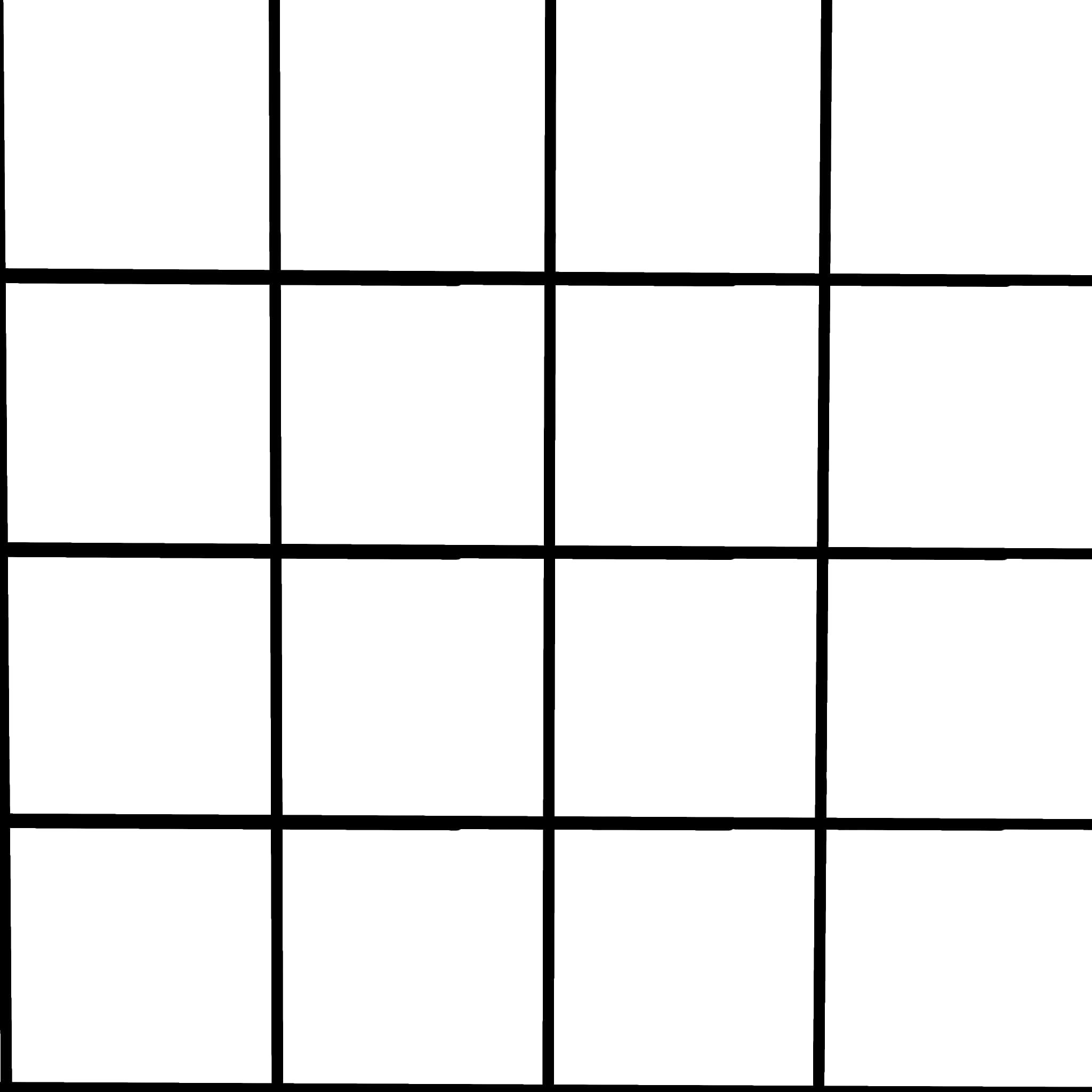
For a pentagon, fold the square sheet of paper so that it has creases representing a 4×4 grid.
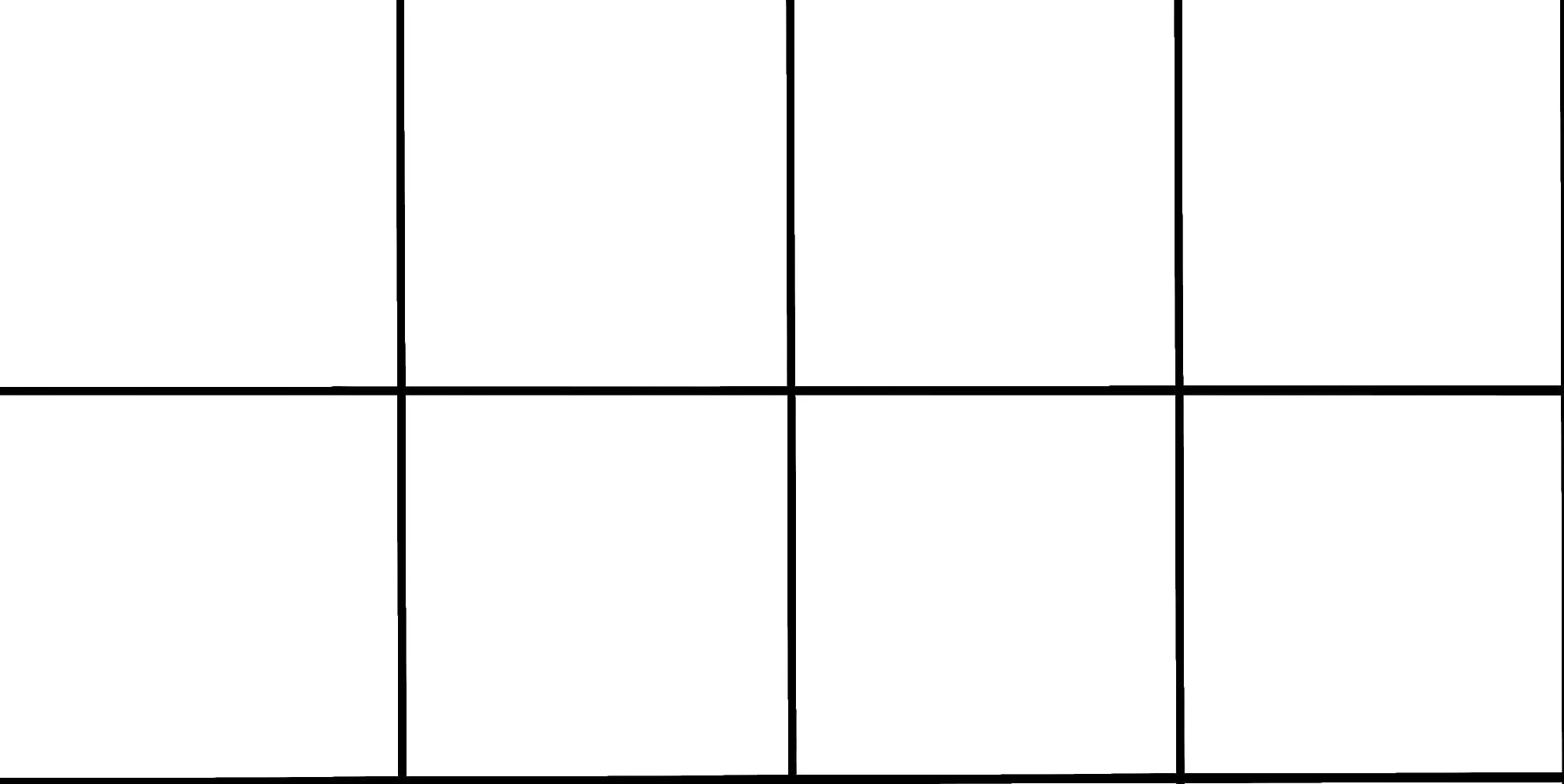
Fold the sheet of paper in half again, so that the crease is closer to you. Note that we now have a 4×2 grid:
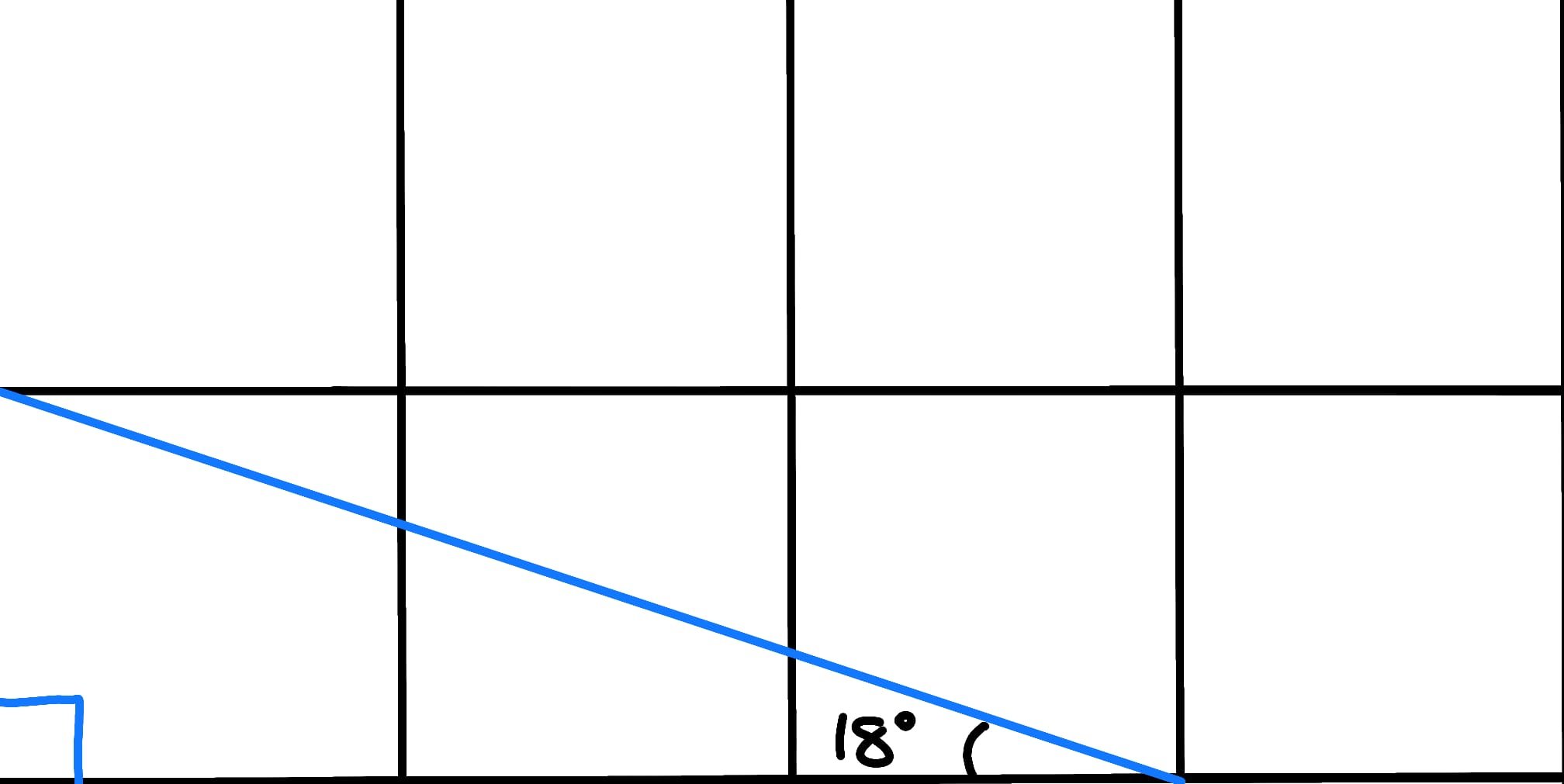
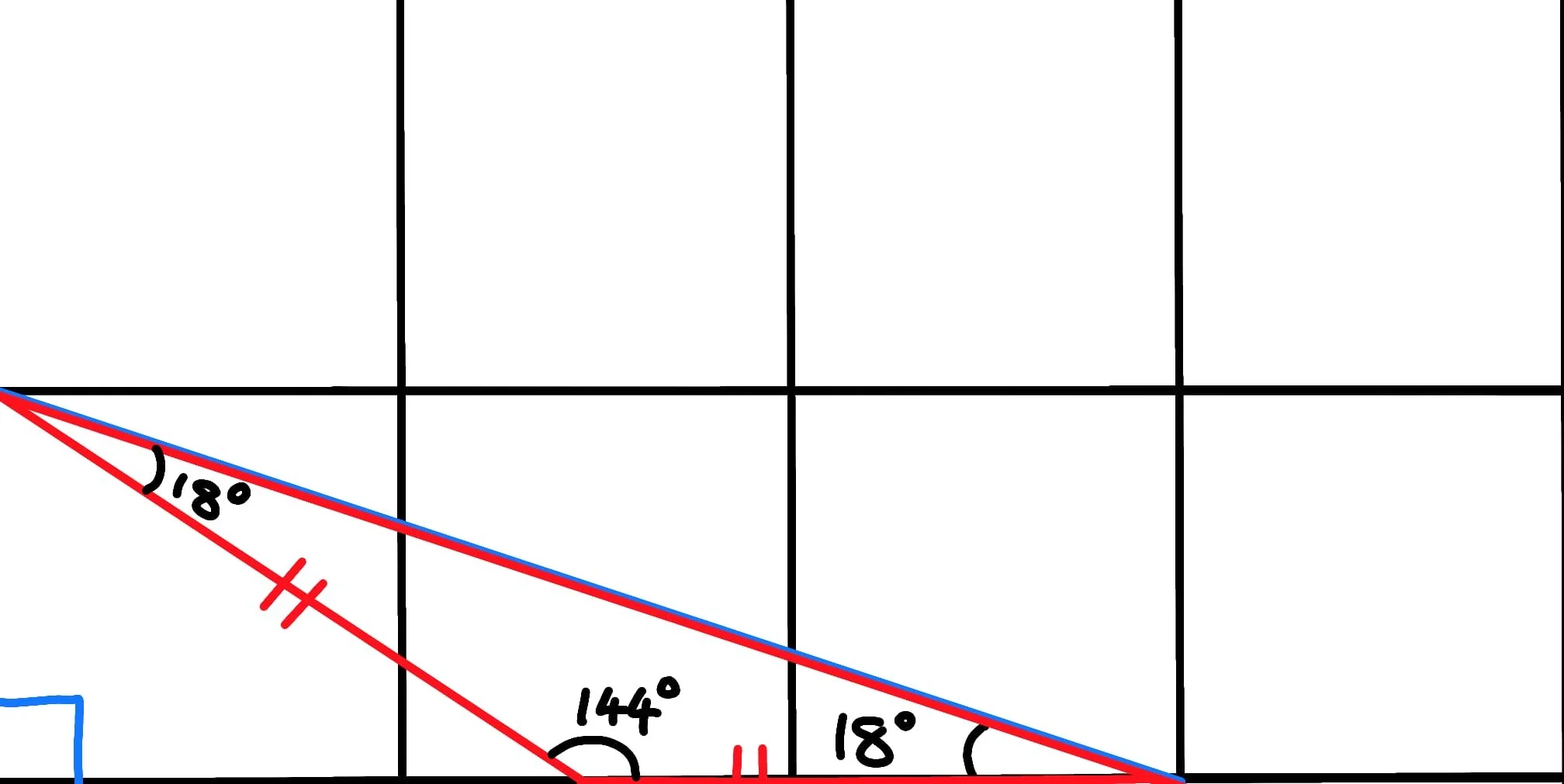
Imagine a right-angled triangle (with the right angle at the lower left corner) in this 4×2 grid, with legs of length 3 grids and 1 grid. Note that the smaller angle is tan^-1(1/3)= ~18°.
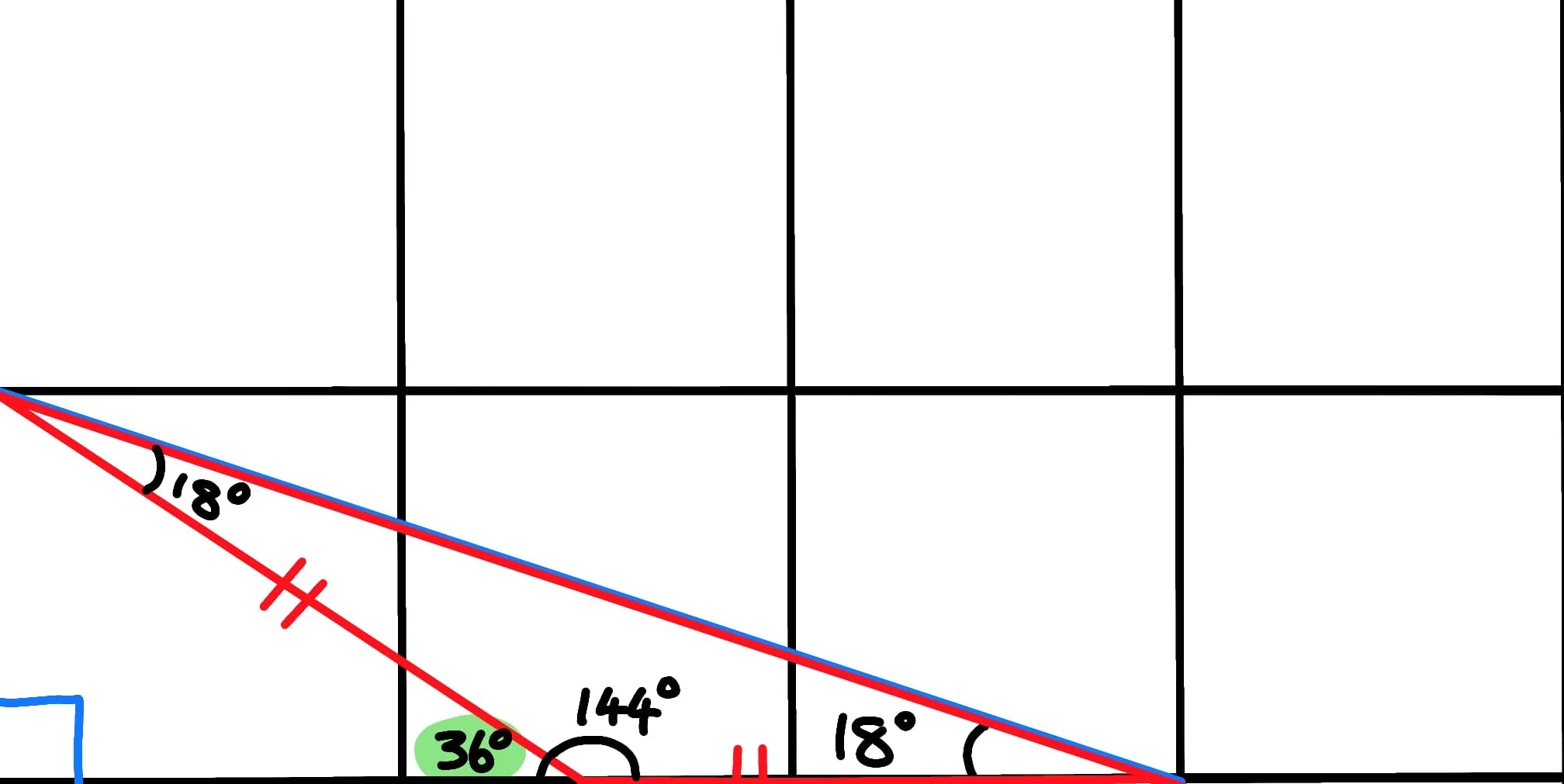
Now imagine a 2nd triangle inside this right-angle triangle, this time isosceles with two of these 18° corners.
The obtuse vertex is 180-2(18°)=144°.
Fold the 4×2 grid such that the non-90° corners of the 1st triangle are now touching. Note that an angle of 180°-144°=36° has been formed (highlighted in green). Mark this angle using a crease.
Using this crease, repeatedly fold back the 36° angle another 4 times, thus splitting the 180° into 5 even sectors. Like in the cake-tin method, cut/ rip along the sector, and unfold the shape. You now have a pentagon.
The reason this works is mostly because if you make a grid of squares, you can choose the ratio of side lengths of a right-angle triangle in order to obtain the desired internal angle. The calculation to obtain this ratio is:
tan(90°/n)=A/B where A and B are the side lengths of the 1st right-angle triangle and n is the number of sides of the intended shape.
So, to make a polygon with 7 sides:
Calculate the ratio of side lengths on the 1st right angle triangle: tan(90°/7)=0.2282432722… ~2/9
So let A=2 and B=9. We need a right-angle triangle with side lengths in the ratio 2:9.
(It is up to you to make a fraction that is broadly equivalent to the value of tan(90°/n). Since no fold will ever be perfect, as long as your fraction is correct to 1 or 2 d.p., you should have no issues)
As mentioned, the number of squares you can make on a grid follows the rule that every fold doubles the number of squares, so your side lengths are limited to 2, 4, 8, 16, 32, etc. squares. Since 16 is the smallest possible power of 2 that is greater than 9 squares, you will need to fold your square sheet of origami paper into a 16 × 16 square grid. Fold the grid in half. Imagine the right-angled triangle (with its right angle at the bottom left corner) with sides 2 and 9 squares long. Fold so that the 2 verticies of the triangle are directly on-top of each other. Mark the resulting angle with a crease. Fold back this angle another 6 times. If you unfolded it now, you would see 7 even triangles along this half of the grid. Cut/ rip along the sector like in the Cake-Tin trick. I am in the process of adding photos to demonstrate this a bit more clearly.
Have fun trying this with other values of n. After a certain point, folding the initial grid becomes too time-consuming, and the resulting polygon becomes closer and closer to a circle.